
I have written extensively over the years about the lack of evidence of consumer myopia in the context of automobile fuel economy mileage standards. The standards were premised on the belief that consumers would not pay more for cars that used less fuel, even if the savings from reduced fuel use exceeded the extra initial cost of the more efficient vehicle. Instead, mileage standards sought to force automakers to produce higher-mileage cars and thereby reduce fuel use despite the supposed myopia of consumers. Subsequent economic research has shown that consumers were not myopic. Consumers’ willingness to pay for higher mileage capability is approximately equal to the expected future fuel-cost savings without government intervention.
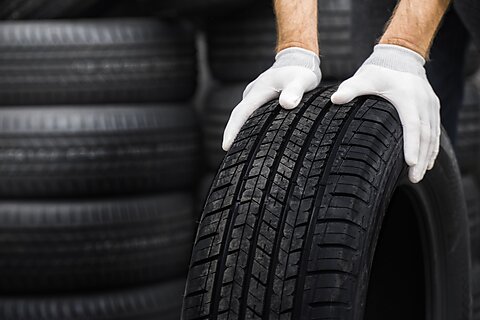
Recently, the California Energy Commission enacted an analogous regulation regarding replacement tires. Replacement tires sold in the state must have the same rolling resistance on average as the tires sold with new vehicles by 2033. Currently, only about 30 percent of tires meet the 2033 standards. According to the commission, the tires would cost about $26 extra but would be offset by fuel savings of $179 over the life of the tire, resulting in a net savings of $153.
Now you are expecting that I will say that markets work and consumers don’t need help, but I must admit that in all my years of buying tires, I have had discussions about tread-wear lifetimes and price differences, but rolling resistance has never been discussed.
Historically, there were large trade-offs between road grip, treadwear mileage, and rolling resistance. Recent innovations have reduced the trade-offs between grip, wear, and rolling resistance, but even Consumer Reports considers many factors in tire ratings other than rolling resistance.
So maybe California has a point. But there are trade-offs. And new tires are designed to meet mileage standards, which I have clearly shown we do not need. So if such standards did not exist, what characteristics would tires on new cars have? We should find out, not simply mandate that replacement tires mimic what regulation has produced.