
Identiv Supports ZATAP Platform for Product-Level Digital Engagement
Identiv says its NFC technology is powering ZATAP’s Phygital Studio, a platform designed to connect physical products with persistent digital experiences.
For many IoT deployments, connectivity is about telemetry: location, temperature, vibration, usage or device health. Product-level engagement follows a different logic. It starts by giving an individual physical item a digital identity that can be accessed and managed over time.
According to the companies, Identiv’s NFC technology has already supported several million interactions with products connected through ZATAP’s platform.
A product-centric IoT model
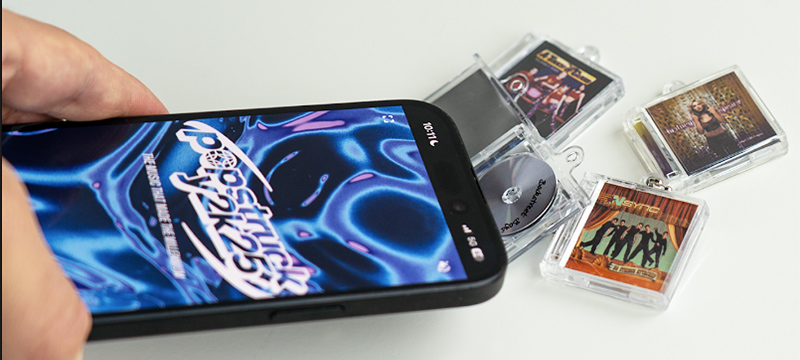
Here, the physical product becomes the customer-facing endpoint. Secure NFC tags embedded in or attached to products allow users to access digital content with a smartphone tap, without requiring a dedicated app.
The associated experience can also evolve after the product has been sold. Content linked to an item can be updated over time, turning a piece of merchandise into a longer-term digital channel.
The examples cited by Identiv illustrate how flexible that model can be.
For singer-songwriter Ben Folds, NFC tags were added to T-shirts, giving buyers access to a video, information about his Keys for Kids initiative and a donation page.
German artist Clueso and Sony Music Entertainment Germany used an NFC-enabled miniature cassette to provide access to an album and associated digital content.
The Nashville Predators took a different approach with limited-edition jerseys produced for the retirement of former goaltender Pekka Rinne’s number. NFC tags allowed supporters to authenticate the jersey, access exclusive content and receive blockchain-recorded proof of attendance at the event.
These cases show that the same underlying identity technology can support authentication, content delivery, loyalty, event participation and post-sale engagement.
Why this matters for IoT
This model extends IoT beyond sensors and connected machines. Brands and OEMs can use physical products themselves as digital touchpoints, creating a direct link between an item and online services.
NFC also offers advantages over a simple QR code when authenticity matters. A QR code can be copied easily, whereas secure NFC implementations can associate an individual product with a unique digital identity and incorporate tamper-resistant security features.
The broader challenge is integration. Manufacturing, packaging, serialization, content management and customer-experience systems may all need to work together if the digital layer is intended to remain useful throughout the product lifecycle.
Identiv’s work with ZATAP is therefore less a conventional device announcement than an example of where item-level connectivity is heading. The connected object is not always a sensor-rich device. Sometimes it is a T-shirt, collectible or sports jersey whose value is extended through a secure, managed digital identity.
The post Identiv Supports ZATAP Platform for Product-Level Digital Engagement appeared first on IoT Business News.