
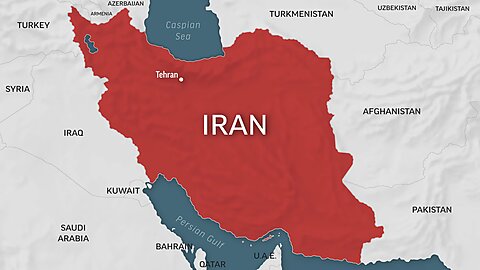
The American people are eager to see the Iran war end. They showed no mercy in delivering that message in the midterm elections last week. Despite all the post-election spin, even the president and the vice president both validated voter frustration with the war and its impacts here at home. Now, having delivered a clear mandate, voters expect Congress to act.
Yet, as Congress returns to finish out the year, members are debating whether to push for an end to the war in the lame duck or wait until the new Congress begins in January. Acting now, especially while the president continues to hold off on resumption of major combat operations, is the most advantageous option for Congress. The biggest single point of leverage Congress holds over the president when it comes to the war is money, and money is the hottest item on the table, captivating the bulk of Capitol Hill’s attention from now until Christmas.
The cost estimate for Operation Epic Fury is up to $47.1 billion. The president requested a $1.5 trillion defense budget, plus an additional emergency funding measure to the tune of $67 billion to cover the cost of war with Iran. While the Trump administration would like to see both measures move through Congress using the reconciliation process—delivering these funds solely with Republican votes—this strategy is a pipe dream. Even before the midterms, Republican leaders in both chambers acknowledged that they were unlikely to have the time or votes necessary to deliver.
However, to avoid a government shutdown, Congress will need to act to keep the government open when the current continuing resolution (CR) expires on December 11. This presents a window of opportunity.
The most likely vehicle to keep the government open will be another CR that punts the funding deadline into next year and the next Congress. To end the Iran war, some members have floated making their support for the CR contingent on the inclusion of a funding cutoff for the conflict.
Members who want to end this war need to lock in on the CR now and prepare to leverage that position. To avoid a shutdown, a CR will need to pass the House and receive at least 60 votes in the Senate, meaning some Democrat support is required. Making the successful passage of a CR contingent on a funding cutoff to end the war is the best target available. But how the cutoff is crafted matters.
Members floating the idea of a cutoff are looking to the Case-Church amendment, which solidified the end of US involvement in Vietnam. Case-Church, which was also attached to a CR at the time, applied to both funds under the CR and to unspent funds previously appropriated by Congress.
Case-Church is a strong model, but it would be wise to include a few updates to meet the needs of the current moment. First, there must be a carve-out to allow funds to continue protecting US forces as they maneuver within and eventually out of the theater as part of an end to the conflict.
Second, a funding cutoff provision should include a reporting requirement to provide an unambiguous accounting of the state of U.S. critical munitions stockpiles. This would ensure Congress is fully informed on the Iran war’s major resource impacts ahead of future budget discussions in the 120th Congress. And finally, Democrats should be prepared to negotiate the duration of a wind-down period and an official end date with Republican colleagues and, if possible, the president himself.
Post-midterms, President Trump appears genuinely reflective on the role the Iran war played in voters’ decisions last week and does not seem overly eager to escalate further. In fact, he has continued to leave room on the table for a deal, which to his credit has been his position since Operation Epic Fury began. Congress, especially Democrats, should not discount that President Trump may be ready to declare victory on his core objective of denying the Iranian regime a nuclear weapon and willing to sign into law a CR that includes a funding prohibition.
The brewing CR fight could be a Goldilocks opportunity to end the war in Iran. But Congress needs to play this smart in the initial construction of the funding prohibition and be prepared to meet the president at the negotiating table if he is willing. President Trump wrote in Art of the Deal, “I aim very high, and then I just keep pushing and pushing and pushing to get what I’m after.” Congress needs to take a page out of his playbook and apply it to ending the Iran war. If successful, it could pay significant dividends in trust with the American people for both President Trump and Congress.