
Iridium Activates Global NB-IoT Satellite Service for Direct-to-Device Connectivity
Iridium has activated NTN Direct, a 3GPP standards-based satellite service designed to extend NB-IoT connectivity beyond terrestrial networks. The launch introduces a globally available network infrastructure for compatible IoT devices, with initial commercial availability subject to regulatory and service provider requirements.
For IoT deployments operating across remote or geographically dispersed environments, terrestrial network coverage remains a fundamental limitation. Satellite connectivity can address these gaps, but integrating it into connected products has traditionally required specialized hardware and proprietary communication technologies.
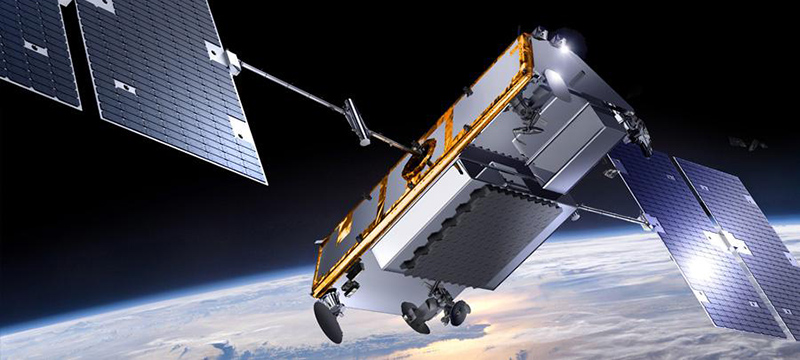
Iridium Communications is taking a different approach with the activation of Iridium NTN Direct, a standards-based narrowband IoT (NB-IoT) and direct-to-device (D2D) satellite connectivity service operating across its existing low Earth orbit (LEO) constellation.
Announced on November 17, 2026, the service uses Iridium’s globally coordinated L-band spectrum and is designed to provide coverage anywhere on Earth. According to the company, it represents the first activation of a 3GPP standards-based satellite service capable of delivering truly global coverage.
Bringing Satellite Connectivity Into the Cellular IoT Ecosystem
The significance of NTN Direct extends beyond its geographical footprint. Rather than requiring device manufacturers to rely exclusively on proprietary satellite communication solutions, Iridium is introducing satellite connectivity through an established cellular IoT standard.
This approach creates opportunities for chipset manufacturers, module suppliers and OEMs to integrate satellite communication capabilities into products built around compatible NB-IoT technology.
For IoT device manufacturers, the potential advantage is a more unified connectivity architecture in which terrestrial cellular networks and satellite coverage can complement one another. This could reduce the need to develop entirely separate communication platforms for devices intended to operate both within and beyond conventional cellular coverage.
Standards compatibility, however, does not automatically make every existing NB-IoT device satellite-ready. Hardware compatibility, firmware support and service integration remain important considerations. The practical value of NTN Direct will therefore depend partly on how quickly compatible chipsets and modules become available to OEMs.
Nordic Semiconductor Module Certification Marks an Integration Milestone
Iridium has certified Nordic Semiconductor’s nRF9151 as the first NTN module approved for its new service.
Nordic plans to release a public firmware update in January 2027 that will enable existing nRF9151 modules to support NTN Direct. According to Iridium, devices already equipped with the module will be able to gain access to the satellite service without requiring hardware replacement.
This is a particularly relevant development for industrial IoT projects, where hardware redesigns can introduce additional engineering costs, qualification work and deployment delays. Enabling satellite connectivity through firmware on compatible hardware offers a potentially less disruptive upgrade path.
Iridium is also collaborating with Altair Semiconductor, Deutsche Telekom IoT, Mlink Technology and Vodafone IoT to support ecosystem development and commercial adoption.
Applications Beyond Conventional Cellular Coverage
Iridium is positioning NTN Direct for applications where low-power data communication must remain available across large or poorly connected areas. Target markets include asset tracking, logistics, fleet management, connected vehicles, smart agriculture, utility metering, industrial monitoring and remote infrastructure.
One example is livestock monitoring. Nofence is integrating NTN Direct into its N3 collars to maintain connectivity in grazing areas where cellular networks are unavailable or unreliable.
By using a satellite connection based on the same NB-IoT technology family as its existing cellular connectivity, the company aims to maintain animal location visibility and support virtual boundary updates across remote environments.
The service is also intended to support wearable devices, including applications involving personal safety and emergency messaging outside terrestrial network coverage.
Global Network Coverage Does Not Mean Universal Commercial Availability
One distinguishing feature of Iridium’s approach is that NTN Direct operates over an already deployed LEO satellite constellation rather than depending on the completion of a new satellite network.
Nevertheless, global technical coverage should not be confused with immediate commercial availability in every country. Iridium acknowledges that service authorization and availability will vary according to national regulations, applicable laws and service provider conditions.
For enterprises planning international IoT deployments, this distinction matters. Satellite coverage may be technically available across an entire operating territory, but commercial activation, device compatibility and local regulatory permissions must still be addressed.
With NTN Direct now activated, Iridium has moved standards-based satellite IoT connectivity from development toward operational availability. The next important measure will be how effectively chipset vendors, connectivity providers and device manufacturers translate that infrastructure into commercially deployable products that combine cellular and satellite communication.
The post Iridium Activates Global NB-IoT Satellite Service for Direct-to-Device Connectivity appeared first on IoT Business News.