
Hayat v. Diaz Brief: Officers Can’t Enter the Home Based Only on Reasonable Suspicion
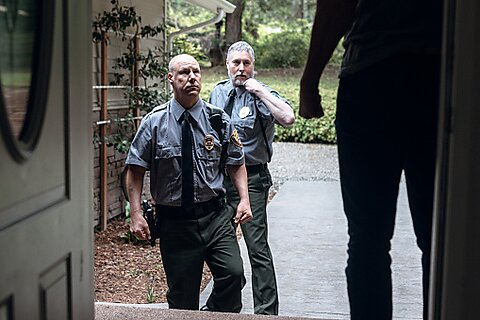
After law professor Fareed Hayat finished his meal at a Maryland pancake restaurant, he put his three kids in the rear-facing seats in the trunk of his Tesla. Someone believed he was kidnapping them and called the police. Officers went to Hayat’s home and questioned him and his wife on their porch. Professor Hayat denied that there was a kidnapping and tried to go inside, telling officers they could not come in. They stopped him from shutting the door, then entered the hall to handcuff him. They released him after determining that he had not kidnapped anyone.
Professor Hayat brought a civil rights suit. The district court granted the defendants’ motions to dismiss and for summary judgment, holding that the officers were entitled to complete a Terry investigative stop by entering a house. The Fourth Circuit affirmed this decision.
With the assistance of the Washington University School of Law Appellate Clinic, Cato filed an amicus brief supporting Hayat’s petition for rehearing. The Fourth Amendment’s protections for the home are paramount. Permitting an officer to extend a Terry stop into the home violates the original meaning of the Fourth Amendment, undermining the protections intended by its Framers.
That is likely why no other circuit has allowed a putative Terry stop to extend into the home, nor has the US Supreme Court ever blessed such an overreading of Terry. Worse, allowing officers to enter private homes with only reasonable suspicion endangers officers and homeowners alike and hinders police work.
The Court should grant a rehearing and reconsider the panel’s dramatic expansion of Terry into the household.