
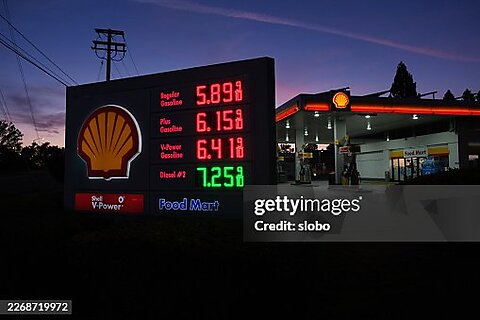
Diesel fuel exports from the Middle East have been cut in half this year in some of the ever-spreading economic fallout from the wars in Iran and Ukraine. In the United States, the price of diesel at the pump has soared above $6.50 for the first time. A year ago, the price was $3.70. US diesel inventories have plummeted since the start of the Iran war on February 28, and some diesel consumers are pulling up to the pump only to find it empty. Some retailers have simply run out of supply.
Most American passenger cars still run on gasoline. So, most voter angst is directed at rising gasoline prices. But trucks, tractors, trains, ships, and much more run on diesel, which is the lifeblood fuel of much of the American industrial and agricultural economy. With six weeks remaining until the upcoming mid-term elections, the price of fuel, including diesel, has moved to the top of voter concerns. A growing number of Members of Congress, led by senior Republican Senator Charles Grassley of Iowa, have been urging President Donald Trump to ban the export of diesel fuel.
Would an export ban be legal under international trade law? Generally, quantitative trade restrictions on imports and exports are illegal under Article XI of the General Agreement on Tariffs and Trade, which is part of the WTO treaty. But an exception in Article XI:2(b) of the GATT permits export prohibitions or restrictions temporarily applied to prevent or relieve critical shortages of foodstuffs or other products essential to the exporting contracting party.” This exception would seem to apply to this situation.
But even if such a ban were legal under international trade law, would it be a good idea economically? The easy political answer out on the campaign trail is “Yes.”
However, as CNN reports, “researchers warn that an export ban would likely only provide a temporary reprieve from sky-high diesel prices and would backfire in the medium and long run. They said a ban would likely raise prices on friends and allies, jack up gasoline prices, crush US refiners, and damage America’s reputation as a reliable energy superpower.”
It is always tempting in politics to try a quick fix, especially when you are down and behind in the polls. But this proposed quick fix may not be a fix at all. In some places in the country, it could, despite its intent, lead to even higher prices at the pump.
With Congress out of session and back home campaigning until after the mid-term elections, finding the right answer to this question is likely to be left, not to our legislators, but to the man in the White House, Donald Trump.